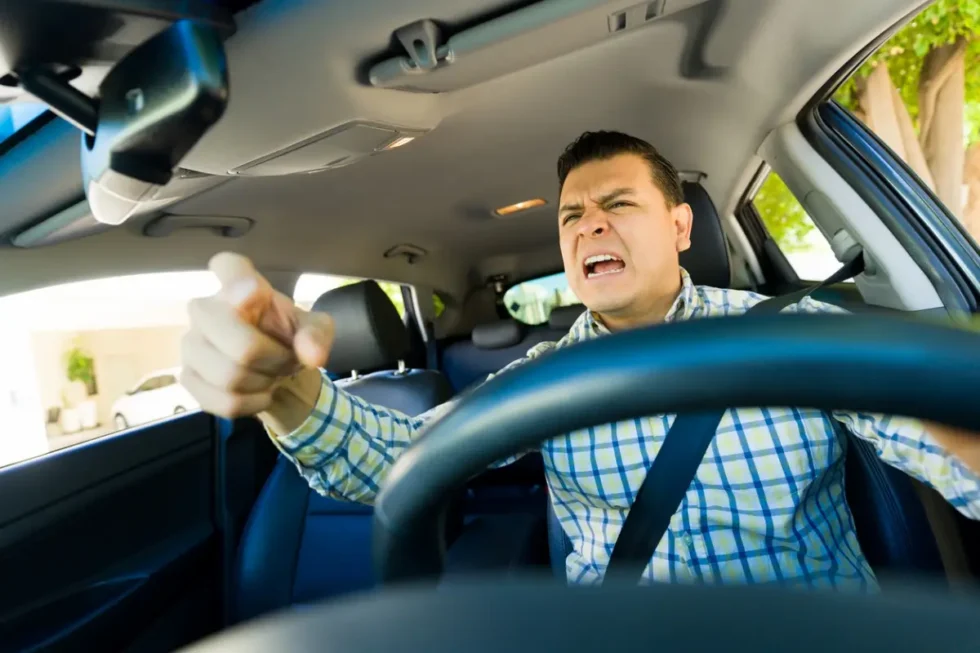
MEXICO CITY — A sophisticated and predatory scheme known as “montachoques” continues to plague Mexican streets, where scammers stage fake accidents to extort money from unsuspecting drivers. Recent reports highlight a chillingly organized “modus operandi” used by these criminals to target the most vulnerable victims: those without valid auto insurance.
The Scammer’s Blueprint
According to investigations, these criminals do not pick victims at random. Instead, they follow a methodical process to ensure a high probability of success:
- Target Identification: Scammers look for vehicles in good condition and recent models. The goal is to identify owners who appear to have the financial means to pay a significant extortion fee.
- Database Verification: Once a target is spotted, the scammers record the license plate number and consult the Registro Público Vehicular (REPUVE), a government platform used to check a vehicle’s status, fines, and serial number.
- Insurance Checking: With the vehicle’s data in hand, they access the database of the Asociación Mexicana de Instituciones de Seguros (AMIS). Here, they can verify whether the car has an active insurance policy.
- The Strike: If a high-end or mid-range vehicle is found to be uninsured, it becomes an ideal target. The scammers then execute sudden, aggressive maneuvers to simulate a collision, immediately blaming the driver and pressuring them to settle the “damages” in cash on the spot.
Red Flags: How to Spot a “Montachoques”
Identifying these scammers can be difficult as they often act with calculated aggression. However, several warning signs are common:
- Group Tactics: They often operate in groups and use sudden, erratic maneuvers to provoke a collision.
- Immediate Cash Demands: They insist on an immediate financial settlement without involving any insurance companies.
- Rapid Escalation: Their attitude can shift instantly from friendly to aggressive or threatening.
- The “Backup” Vehicle: Often, a second vehicle will appear to intimidate the victim or prevent them from driving away.
- The “Safe” Transaction: They may suggest going to an ATM or a “trusted” workshop to finalize the payment.
Safety Advice for Victims
If you find yourself in a situation where a collision is staged, security experts and insurers recommend the following:
- Stay Calm: The most important reaction is to remain composed.
- Call 911 Immediately: Report the incident to the authorities right away, especially if the aggressors become violent.
- Stay in the Vehicle: Do not get out of your car. Scammers can become dangerous if they perceive the victim is attempting to leave or resist.
- Use Your Policy: If you do have insurance, contact your provider immediately from within the car. Wait for the adjuster to arrive; they are trained to handle the conflict through legal and institutional channels.
The Cost of Being Uninsured
Beyond the risk of extortion, driving without insurance carries significant legal consequences. On federal roads and bridges, driving without third-party liability coverage is an infraction. In 2025, the fines for this can range from 4,978.60 pesos to 9,957.20 pesos (based on 20 days to 40 days of the minimum wage).
While owners have 45 days to secure a policy and present it to authorities to potentially cancel the fine, the real danger lies in the lack of protection. Carrying a valid insurance policy does more than just cover accidents; it serves as a shield against predatory crimes like “montachoques” by ensuring that conflicts are resolved through official, legal mediation.