


MÉRIDA, MEXICO — A heavy silence now hangs over the Bazar de Fierros, a landmark in the heart of Mérida that is slowly succumbing to the twin pressures of urban decay and the relentless march of modernity. Once a bustling hub of industrial craftsmanship and specialized trade, the 66-year-old complex currently stands as a poignant example of how shifting consumer habits can erase cultural heritage.
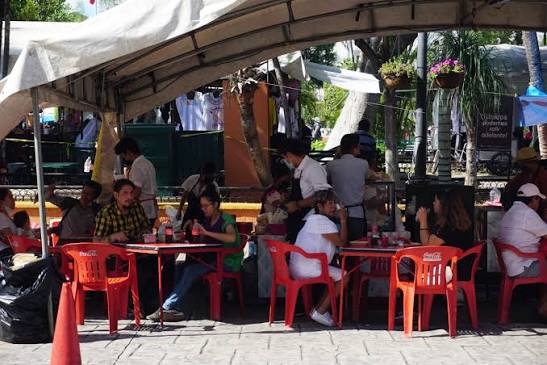
Located on 67th Street, just a block from the Lucas de Gálvez market, the Bazar de Fierros was once a vibrant destination for 40 small stalls. Today, the majority of these spaces sit in a state of neglect. Only three remaining stalls continue to operate as workshops, repairing and manufacturing items made of iron, tin, aluminum, and stainless steel. Much of the rest of the facility has been converted into warehouses for neighboring businesses or modest snack bars and taco stalls.
The market’s decline is a story of generational shift and changing economics. For decades, the Bazar was a vital industrial lifeline for the region. In the mid-20th century, it was the primary source for galvanized piping, specialized tools, and “veletas”—traditional wind vanes used to extract water from wells. These systems were essential for agriculture and livestock in a time when electricity was scarce, drawing customers from as far as Tabasco, Campeche, and Chiapas.
“The history of the Bazar de Fierros goes far beyond its 66 years of physical existence,” says Juan José Manuel Tzuc Pantoja, one of the oldest remaining proprietors with nearly 45 years in the trade. He recalls a time when the market served as a centralized hub for plumbing, blacksmithing, and metalwork, providing the region with durable tools and custom-made industrial molds.
Today, however, the “disposable” culture of the 21st century has largely replaced the durability of the past. “The city grew, and commerce expanded elsewhere,” says Walter Manzur Herrera, another successor of the original founders. “New hardware franchises opened spaces that are more functional and cheaper, but the products aren’t as durable. Today, everything is replaceable. If it breaks, people throw it away and buy a new one.”
The transition has been complicated by the fact that the Bazar is privately owned. As the original owners passed away, many of their heirs chose not to follow in the demanding trade of metalworking, leaving the properties in a state of legal and physical limbo. Because the site is private property, local authorities have been unable to intervene or provide the rehabilitation support needed to save the structure.
Despite the surrounding decay, a few dedicated craftsmen remain. They continue to offer a “second life” to household items, repairing old pots and creating specialized equipment like ice cream cylinders and traditional cooking vessels. While a large department store once attempted to purchase the site to turn it into a vehicle maneuver yard, the deal fell through, leaving the Bazar de Fierros to linger as a somber, architectural ghost of Mérida’s industrial past.