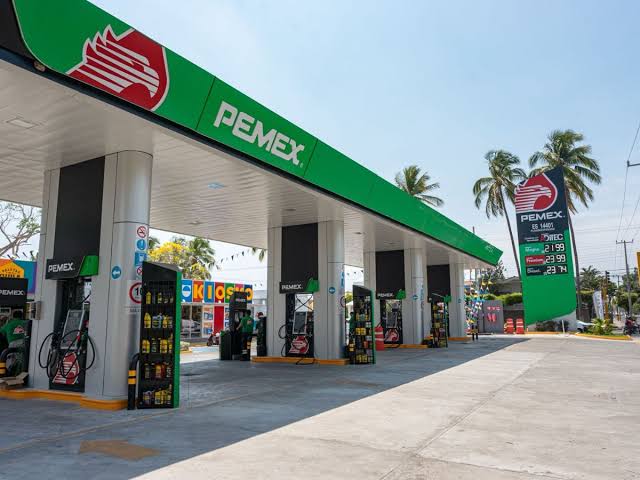
The gasoline industry in Mexico faces growing scrutiny over a “great monopoly” that is significantly impacting the country’s consumers. According to an investigative report by El Sol de Yucatán, the heavy concentration of fuel distribution among a handful of major corporations has created a market environment where competition is stifled and prices remain elevated for the general public.
Market Concentration and Barriers to Entry
The report highlights how a small group of dominant players controls the vast majority of gas stations across the nation. This market concentration creates a formidable barrier for smaller, independent operators who find it nearly impossible to compete with the massive infrastructure and capital of the industry giants.
Furthermore, the investigation points to regulatory hurdles that appear to favor established conglomerates. These barriers to entry make it increasingly difficult for new, independent gas stations to open, thereby reinforcing the status quo and maintaining a monopoly-like grip on the distribution of essential energy.
The Impact on Consumers
The primary consequence of this lack of competition is felt directly at the pump. Because a few entities hold the power to set market trends, there is minimal downward pressure on fuel costs, forcing the average motorist to bear the brunt of high prices.
The lack of a competitive marketplace limits the consumer’s ability to find affordable fuel, a problem that is particularly acute in rural and semi-urban areas where distribution options are even more restricted. The report suggests that without significant policy reform to encourage a more diverse and competitive landscape, the “great monopoly” will continue to dictate the economic reality for Mexican citizens.