


JALISCO, Mexico — The health of the state’s population is increasingly under threat from a multifaceted crisis: the direct physical contamination of rural water supplies and the indirect health consequences of urban water insecurity. In Jalisco, these two distinct but intersecting currents are fueling a rise in kidney disease.
The situation is stark in the rural "Riberas" of Lake Chapala. Communities like Agua Caliente, San Pedro Itzicán, and Chalpicote receive the "end of the pipe" discharge from the Lerma-Chapala basin, which carries urban, industrial, and agricultural waste from several states. This is compounded by thermal groundwater with high mineral content and the presence of pesticides in surrounding crops. For decades, studies by the University of Guadalajara have consistently reported pesticides in the urine of children and early signs of renal damage in school-aged children who appeared otherwise healthy.
While the specific cause can be complex—potentially involving a mix of thermal minerals, pesticides, and industrial waste—the absence of a definitive "smoking gun" does not mean the water is safe. The cumulative exposure of vulnerable bodies to these contaminants remains a critical public health concern.
In contrast, the crisis in the Guadalajara Metropolitan Area is one of trust. Jalisco consistently ranks among the world’s highest consumers of bottled water per person, and the Guadalajara area is at the forefront of this trend. This behavior is born from a deep-seated suspicion of the public tap system.
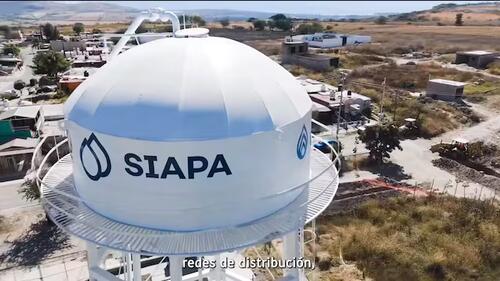
In recent months, residents in Guadalajara, Zapán, and Tlaquepaque reported water turning brown or black with a sewage-like odor. While the public water authority (SIAPA) initially attributed these issues to an aging 1956 aqueduct, subsequent analyses by the University of Guadalajara found algae, organic debris, and small invertebrates in the network. When an authority declares water safe despite visible contamination, it sends a clear message to the population: *buy a jug.* This shift in consumption is not just a personal choice; it is a state-driven outcome.
This lack of trust has significant health implications. When the public is forced to rely on bottled water, it often leads to an increase in the consumption of sugary beverages—another major driver of obesity and type 2 diabetes, which are leading causes of chronic kidney disease in Mexico. When access to safe water depends on what a family can afford, it creates a cycle of risk for the most vulnerable.
A Call for Integrated Action
The current approach to kidney disease in Jalisco is fragmented. There is a lack of a unified system that correlates water quality data, locality by locality, with actual renal function indicators in the population. To address this, experts suggest a three-pronged strategy:
- Transparency: Publicly share updated water quality data (arsenic, fluoride, heavy metals, and pesticides) for every well, neighborhood, and municipality.
- Proactive Screening: Implement kidney health programs in high-risk areas, specifically targeting early detection through urine studies and renal function tests for both children and adults.
- Infrastructure and Access: Ensure that safe water is the easiest and most affordable option, with verified public drinking fountains in schools and public spaces.
None of this will work if the Commission on Water, local operators like SIAPA, and the Secretariat of Health continue to work as if they were addressing isolated problems. They must recognize that water quality is a fundamental pillar of public health. The goal is not just to solve a plumbing problem or a health statistic, but to protect the kidneys of everyone living in Jalisco—and, by extension, all of Mexico.