


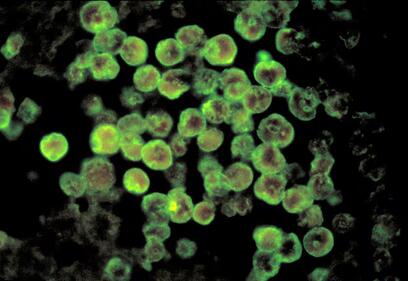
MÉRIDA, Mexico – Health authorities in the state of Yucatán have ordered the closure of six artificial lakes in Mérida following the discovery of Naegleria fowleri, a rare and nearly always fatal parasite commonly known as the “brain-eating amoeba.”
The move follows a tragic incident where a 33-year-old water ski instructor, who worked at one of the affected sites, became the first victim of the disease in the state. Naegleria fowleri causes primary amoebic meningitis (PAM), a fulminating infection of the central nervous system that carries a mortality rate between 97% and 98%.
The government identified the organism in at least six of the nine lakes examined across the city, including those at Plaza La Isla, the Cabo Norte complex (Oriente and Principal), the Zoológico del Centenario, Gran Parque La Plancha, and the Parque Ecológico del Poniente. While the parks housing these lakes remain open to the public, all water-based recreational and sporting activities have been suspended.
The affected areas are now secured with barriers and warning signs prohibiting any contact with the water. The state government has initiated a sanitation process involving specialists from the Autonomous University of Yucatán (UADY) and the National Center for Scientific and Technological Research (Cinvestav).
Health officials emphasized that the amoeba thrives in warm, stagnant freshwater and is typically contracted when water is forced into the nasal passages—such as during diving or swimming—rather than through drinking or human-to-human contact. Because the infection is so rare globally, symptoms can often be mistaken for other common illnesses, making rapid diagnosis and treatment critical to survival.
Authorities have reassured the public that the amoeba is contained and does not pose a risk to the general population under normal conditions. However, they are urging anyone who has been in contact with the water in these specific locations and begins experiencing symptoms—including severe headache, fever, nausea, vomiting, or neck stiffness—to seek immediate medical attention.