


OAXACA, MEXICO — Oaxacan cultural advocates and agricultural experts are sounding the alarm over what they describe as a coordinated effort by three U.S. liquor companies to profit from the region’s cultural heritage through misinformation and the misappropriation of its indigenous identity.
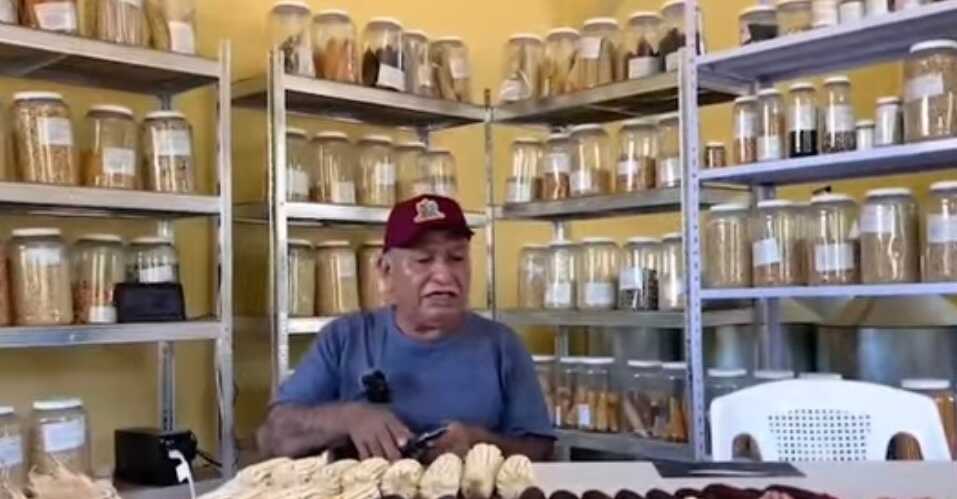
The companies in question—Whiskey Acres, Green Door, and Still Austin—have faced public condemnation for using the term “Oaxacan Green Corn” on their labels. According to Floriano García, a specialist at the seed bank in San Juan Bautista, Valle Nacional, these claims are fundamentally false.
“There is no green corn in Oaxaca,” García stated. “Of the 35 native corn races cultivated here, none are that color.”
García, who has spent over 20 years studying native maize, argues that the liquor brands are engaging in “cultural appropriation” and “image laundering.” By associating their products with Oaxaca’s rich biocultural heritage, the companies are allegedly attempting to mislead international consumers and boost sales by attaching a prestigious indigenous pedigree to a product that lacks any local roots.
The reality of the corn’s origin, according to the advocates, is far from the Mexican highlands. The “green” variety used in these spirits is actually an industrialized, artificial strain developed in the United States during the late 20th century, specifically within the “corn belt” of Minnesota.
In response to these findings, a global petition has been launched to demand a “complete cessation of brand use” regarding Oaxacan terminology. The campaign, led by advocate Susana Alejandre, calls for several specific actions:
The immediate removal of the terms “Oaxacan” or “Oaxaca” from all packaging, marketing, and catalogs.
A formal renaming of the product to its actual designation: “Earnest Strubbe’s Green Dent.”
The inclusion of a mandatory informative note on all labels to clarify the true biogeographic origin of the crop.
The advocates argue that misrepresenting the origin of a product constitutes commercial fraud. They emphasize that respecting the origin of seeds is not just a matter of scientific precision, but a fundamental requirement of commercial ethics and justice toward the biodiversity preserved by indigenous communities.
The movement is backed by scientific and historical evidence, including phenotypic and genetic analyses that confirm the corn variety does not originate in Oaxaca. For the critics, the current marketing strategy is a “vile lie” that distorts historical records and violates the millenary legacy of the region’s campesino and indigenous peoples.