


For many, a morning cup of coffee is a non-negotiable ritual. However, as the global coffee market expands, consumers often find themselves navigating a sea of labels, specifically regarding the distinction between “Café Chiapas”—a regional specialty—and “café soluble,” commonly known as instant coffee. While both products share a common origin in the coffee bean, they represent two fundamentally different experiences in terms of processing, geography, and flavor profiles.
The Distinction of Origin: Café Chiapas
The primary difference lies in classification. “Café Chiapas” is a protected Denomination of Origin established in 2003. This designation ensures that the coffee—specifically the Coffea arabica species—is grown, harvested, and processed within specific regions of Chiapas, including Ocozocoautla, San Cristóbal de Las Casas, and Tapachula.
The coffee from this region is defined by its unique terroir. The state’s varied altitudes, humidity levels, and soil types, combined with a tradition of forest-shade cultivation, produce a bean noted for its intense aroma, balanced acidity, and full body.
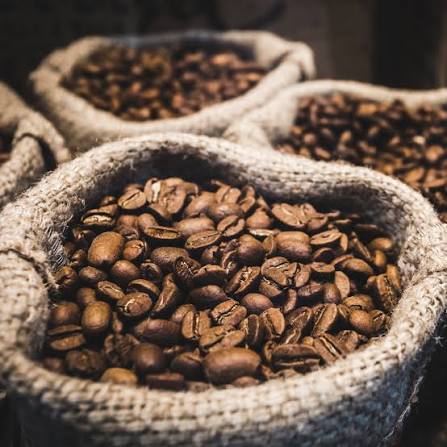
Unlike instant coffee, Café Chiapas is typically sold as green, roasted, or ground beans. This requires the consumer to perform the extraction process at home—whether through a French press, drip filter, or espresso machine. This manual extraction allows for a customizable experience, where variables like water temperature and grind size can be adjusted to highlight specific flavor nuances.
The Industrial Transformation: Instant Coffee
In contrast, “café soluble” refers to a coffee that has already undergone a full industrial extraction. To create instant coffee, manufacturers first brew a concentrated coffee liquid and then subject it to industrial dehydration processes, such as spray drying or freeze-drying, to create powder or granules.
While instant coffee is not a “fake” coffee—it is indeed made from real coffee beans—it is a highly processed product. Because the extraction has already occurred in a factory, the consumer simply adds hot water to the granules. This results in a consistent, uniform flavor profile that prioritizes speed and convenience over the complex aromatics of a freshly brewed cup.
The Arabica vs. Robusta Debate
A common point of confusion for consumers is the species of the bean. The protected Denomination of Origin for Café Chiapas exclusively covers the Coffea arabica species, which is generally prized for its superior flavor and aroma.
The other primary species, Coffea canephora (commonly known as Robusta), is known for its higher caffeine content and a different, often harsher, sensory profile. While Robusta is frequently used in the production of instant coffees, it is a misconception that all instant coffees are made from Robusta; the specific bean used depends entirely on the manufacturer’s formulation.
Flavor, Speed, and Health
When choosing between the two, the decision usually comes down to a trade-off between complexity and convenience.
Flavor: Roasted and ground coffee allows for the perception of fresh aromatic compounds that are often lost or modified during the industrial drying process of instant coffee.
Speed: Instant coffee is the clear winner for high-speed lifestyles, requiring no equipment or preparation time.
Health: Neither product is inherently “healthier” than the other. However, experts and consumer protection agencies, such as Mexico’s Profeco, advise consumers to check labels carefully. Many instant coffee products are blended with additives like sugar, caramel, or artificial flavorings, which can significantly alter the nutritional profile of the drink.
Ultimately, while one celebrates the artisanal heritage of the Mexican highlands, the other serves as a testament to industrial efficiency. Both offer a unique way to enjoy the bean, depending on whether the consumer seeks a ritual or a quick caffeine boost.